
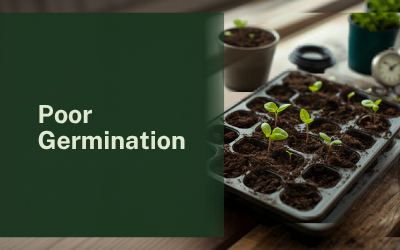
Sowing seeds and seeing nothing emerge is one of the most common frustrations for UK gardeners. In most cases, poor germination has a straightforward cause — and a straightforward fix. Nine times out of ten when I get asked about this, the answer is simply "the soil's too cold, wait two more weeks." Here's how to diagnose and solve the problem.

Founder & Head Grower, SoilCommander · RHS Level 2 · 12+ years growing in Yorkshire
I've been growing vegetables on my Yorkshire allotment and raised beds since 2012. Everything I write is based on what I've actually grown, failed at, and eventually got right in a real UK climate.
Common Causes of Poor Germination
| Cause | Signs | Fix |
|---|---|---|
| Soil too cold | No emergence after 2–3 weeks | Wait for soil to warm; use a propagator or cloche |
| Sown too deep | No emergence; seedlings exhaust energy before reaching surface | Follow packet depth guidance; fine seeds need light to germinate |
| Soil too dry | Compost pulls away from pot edges; surface crust forms | Water gently before and after sowing; keep moist but not wet |
| Soil too wet | Seeds rot before germinating; mould on compost surface | Improve drainage; use fresh compost; reduce watering |
| Old or poor-quality seed | Patchy or zero germination across the tray | Test viability on damp kitchen paper; buy fresh seed |
| Pest damage | Seeds or seedlings disappear; soil disturbed | Check for slugs, mice, or birds; use covers or traps |
| Wrong time of year | Seeds of warm-season crops sown too early outdoors | Check recommended sowing dates; start indoors if needed |
Minimum Soil Temperatures for Germination
| Crop | Minimum Soil Temp | Optimal Soil Temp |
|---|---|---|
| Lettuce | 2°C | 15–20°C |
| Peas | 5°C | 10–18°C |
| Carrots | 7°C | 16–21°C |
| Beetroot | 7°C | 15–25°C |
| Courgettes | 13°C | 20–25°C |
| French beans | 12°C | 18–25°C |
| Sweetcorn | 10°C | 18–24°C |
| Tomatoes | 10°C | 20–25°C |
How to Test Seed Viability
Place 10 seeds on a damp piece of kitchen paper, fold over, and seal in a plastic bag. Keep at room temperature (18–20°C) and check after the expected germination period. Count how many sprout — if fewer than 5 out of 10 germinate, the seed batch has poor viability and should be replaced.
Tips for Reliable Germination
- Use fresh, purpose-made seed compost — not garden soil or multi-purpose compost for fine seeds. The RHS warns that sowing too deeply, into cold soil, or in unsterilised compost drastically cuts germination and invites damping-off fungi (Pythium, Rhizoctonia).
- Water the compost before sowing, not after, to avoid washing seeds to one side.
- Use a propagator or heat mat to maintain consistent soil temperature for tender crops.
- Label every tray with the crop name and sowing date — patience is easier when you know what to expect.
- Sow more seed than you need — thin to the strongest seedlings rather than relying on every seed to germinate.
- Store unused seeds in a cool, dry, dark place in sealed envelopes or airtight containers.
Know exactly when to sow every crop with our UK Vegetable Garden Planner PDF — £19.
Frequently Asked Questions
How long should I wait before giving up on seeds germinating?
It depends on the crop. Fast germinators like radishes and lettuce should emerge within 5–10 days. Slower crops like parsley and parsnips can take 3–4 weeks. Always check the seed packet for expected germination time before assuming failure.
Why do my seeds germinate indoors but not outside?
Outdoor soil is usually colder and less consistent than indoor conditions. Soil temperature, moisture fluctuation, and pest pressure are all higher outdoors. Start tender crops indoors and harden off before transplanting, or wait until outdoor soil has warmed sufficiently.
Can I reuse old compost for seed sowing?
It is not recommended. Old compost may be compacted, nutrient-depleted, or harbour disease. Use fresh, purpose-made seed compost for best results. Old compost can be used for potting on established plants or added to beds.
Do seeds need light to germinate?
Most vegetable seeds germinate best in darkness and should be covered with compost. However, some fine seeds — including lettuce, celery, and some herbs — need light to trigger germination and should be pressed onto the surface rather than buried.
Why do my seedlings emerge then collapse?
This is likely damping off — a fungal condition caused by overwatering, poor airflow, or contaminated compost. Use fresh compost, water from below, ensure good ventilation, and avoid overcrowding seedlings. There is no cure once damping off takes hold; remove affected seedlings promptly.
Fix The Cause, Then Plan The Next Crop
Troubleshooting works best when you improve the growing conditions and record what changed for the next season.
Plan the next step
Use the printable UK Vegetable Garden Planner to turn this guide into sowing dates, bed layouts, and weekly garden tasks.