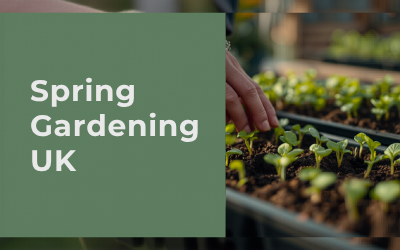
Spring Gardening UK
March to May is the busiest and most exciting time in the UK vegetable garden. The soil warms, days lengthen, and the sowing season kicks into full gear. Here's everything to do — and grow — this spring.
What to Sow & Plant Each Month
| Month | Sow Indoors | Sow / Plant Outdoors |
|---|---|---|
| March | Tomatoes, peppers, aubergines, celery, leeks, onions | Broad beans, peas, garlic, onion sets, shallots, early potatoes |
| April | Courgettes, cucumbers, squash, sweetcorn, French beans | Carrots, beetroot, lettuce, spinach, radishes, chard, kale |
| May | — | Courgettes, beans, sweetcorn (after last frost); all salads |
Key Spring Tasks
| Task | When | Notes |
|---|---|---|
| Chit seed potatoes | February–March | Place in egg boxes in a light, frost-free spot for 4–6 weeks |
| Prepare beds | March | Fork over, add compost, rake to a fine tilth |
| Start seeds indoors | March–April | Use a propagator or warm windowsill for tender crops |
| Harden off seedlings | April–May | Move outside for increasing periods over 7–14 days |
| Plant out tender crops | After last frost (mid-May) | Courgettes, tomatoes, beans, sweetcorn |
| Erect pest barriers | April onwards | Fine mesh netting over brassicas; carrot fly barriers |
| Begin slug control | March onwards | Nematodes, traps, barriers — act before seedlings emerge |
Top Spring Crops to Focus On
- Tomatoes — sow indoors in March for a long productive season
- Courgettes — sow in April, plant out after last frost
- Peas — direct sow from March; one of the easiest spring crops
- Lettuce — sow little and often from March for a continuous harvest
- Potatoes — plant earlies in March/April, maincrops in April/May
- Carrots — direct sow from April once soil reaches 7°C
Spring Gardening Tips
- Don't rush outdoor sowing — cold, wet soil causes seeds to rot rather than germinate
- A soil thermometer is worth the investment: most seeds need at least 7°C, tender crops need 10°C+
- Sow little and often (succession sowing) to avoid a glut — especially with lettuce, radishes, and spinach
- Label everything — seedlings look identical at first
- Keep fleece handy through May for unexpected late frosts
See our Succession Planting guide and Companion Planting guide to plan your spring beds strategically.
Plan Your Entire Spring in One Go
Our printable UK Vegetable Garden Planner covers every spring crop with exact sow dates, spacing, and harvest windows.
Get the Planner — £19Frequently Asked Questions
When does spring gardening start in the UK?
You can start spring gardening in earnest from March, when days lengthen and soil begins to warm. In the south of England, some crops like broad beans and onion sets can go out in late February. In Scotland and northern England, the outdoor sowing season typically starts in April. Indoors, seed sowing for tender crops like tomatoes and peppers begins in late February or March regardless of region.
What is the last frost date in the UK in spring?
The average last frost date is mid-April in southern England, late April to early May in the Midlands and Wales, early to mid-May in northern England, and mid-to-late May in Scotland. Tender crops — tomatoes, courgettes, beans, sweetcorn — should not be planted outside until after your local last frost date.
What should I sow first in spring?
Start with hardy crops that tolerate cold: broad beans, peas, onion sets, garlic, and shallots can go outside from March. Indoors, begin tomatoes, peppers, and leeks in late February or March. Lettuce and spinach can be sown outdoors under fleece from March. Radishes are the fastest reward — ready in 4 weeks from a March sowing.
How do I protect spring seedlings from frost?
Keep horticultural fleece to hand through May and cover tender plants if frost is forecast. Cloches and cold frames provide more substantial protection. Harden off indoor-raised seedlings gradually before planting out — sudden exposure to cold kills more plants than frost itself. Check the forecast nightly in April and May.
Why are my spring seeds not germinating?
The most common cause is soil that is too cold. Most vegetable seeds need a minimum of 7°C to germinate; tender crops need 10–15°C. If you've sown outdoors too early, seeds will sit dormant or rot in cold, wet soil. Use a soil thermometer, wait for the right temperature, or start seeds indoors in a propagator and transplant once conditions improve.
Match The Season To The Work
Seasonal jobs usually come down to watering, soil care, and keeping a simple record of what needs doing next.
Plan the next step
Use the printable UK Vegetable Garden Planner to turn this guide into sowing dates, bed layouts, and weekly garden tasks.
