
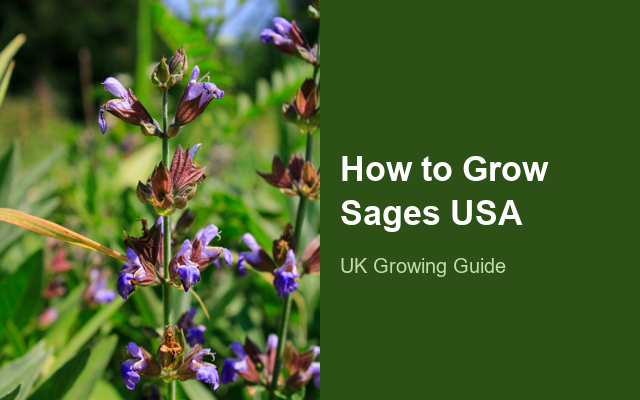
Sage (Salvia officinalis)

9 sources cited · Verified
The short answer
- Site
- 6+ hours of sun, soil pH 6–8
- Biggest risk
- Honey fungus
Sages (Salvia officinalis) — perennial.
This crop carries an unusually heavy problem load: 5 diseases, 6 pests and 0 nutrient issues are documented for it, so most of the effort in growing it well goes into prevention.
Core growing advice on this page is checked against named horticultural and university-extension sources — see References.
Diseases

Pests


Quick Facts
At a Glance
Soil & Growing Conditions

Growth Stages

Harvest & Storage
Sage, a Reliable Mediterranean Culinary Herb
References
-
country=INTL
-
country=US
-
Tier 1. RHS factsheet on glasshouse red spider mite (two-spotted spider mite), naming tomato and strawberry among the host plants affected under glass or in a polytunnel.
-
country=UK
-
country=UK
-
country=UK
-
country=UK
-
country=UK
-
Directly fetched and verified (canonical URL differs from requested URL /biodiversity/slugs -> redirects to /biodiversity/slugs-and-snails). RHS explicitly advises against slug pellets (even organic) due to wildlife harm, and cites RHS's own controlled trial finding no damage reduction from physical barriers (copper tape, bark mulch, eggshell, grit, wool) -- while also noting some other studies have shown copper barriers to repel slugs, a preserved disagreement rather than a silently resolved one. Details Nemaslug (Phasmarhabditis hermaphrodita) biological control including application temperature range and its lack of effect on snails specifically.
9 independent sources are cited for this crop. Where they disagree - soil pH is the clearest case - every figure is preserved rather than averaged into false precision.
Frequently Asked Questions
What soil pH do sages need?
A pH of about 6–8. That span reflects genuine variation between the authorities we cite rather than a single agreed figure — the References section lists each source's exact range.
What problems affect sages?
Our data links 5 diseases and 6 pests to this crop. See the sections above for each one and how to manage it.
Plan next season before the problems start
Almost everything on this page resolves to your own frost dates rather than the calendar — the last spring frost moves by roughly two months between zone 3 and zone 10. The USA Garden Planner works from your zone so the timing is already decided before the season starts.
Get the USA Garden Planner →Instant PDF download · Written for US growing conditions
Last verified 2026-08-29
Where To Go From Here
Take this crop from reading into a written plan for your own beds.
Plan the next step
Use the printable SoilCommander planner for your region to turn this guide into sowing dates, bed layouts and weekly garden tasks.