
Growing advice verified against RHS guidance by the SoilCommander Growing Team.
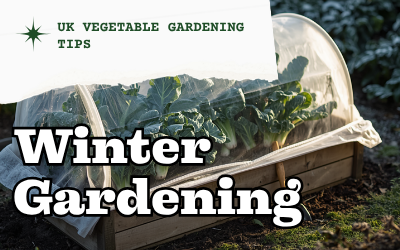
Winter Gardening UK
December to February is the quietest season — but the gardeners who use it well are the ones who hit the ground running in March. Plan, prepare, and harvest what’s still in the ground.
What to Do Each Month
| Month | Sow / Plant | Harvest & Tasks |
|---|---|---|
| December | Broad beans (mild areas, under cover) | Leeks, kale, Brussels sprouts, parsnips, stored roots; plan next year |
| January | Onions (indoors), broad beans (indoors), chit potatoes | Leeks, kale, Brussels sprouts, parsnips; order seeds; dig over beds |
| February | Onions, broad beans, early peas (indoors); chit potatoes | Leeks, kale, sprouting broccoli; prepare beds; force rhubarb |
Key Winter Tasks
| Task | When | Notes |
|---|---|---|
| Plan crop rotation | December–January | Sketch out which family goes in which bed for next year |
| Order seeds | December–January | Popular varieties sell out early; order by January for best choice |
| Chit seed potatoes | January–February | Place in egg boxes in a light, frost-free spot 4–6 weeks before planting |
| Sow onions indoors | January | Onions need a long season; starting in January gives the best bulb size |
| Force rhubarb | January–February | Cover crowns with a forcing pot or upturned bucket for tender pink stems |
| Dig and improve beds | January–February | Add compost or well-rotted manure; leave frost to break up clods |
| Clean and sharpen tools | December–January | Oil metal parts, sharpen blades, replace worn handles |
| Check stored crops | Monthly | Remove any rotting potatoes, squash, or onions before they spread |
What’s Still Growing in Winter
- Kale — one of the hardiest crops; harvest outer leaves all winter
- Leeks — harvest as needed from the ground through to March
- Brussels Sprouts — harvest from the bottom up; improved by hard frost
- Parsnips — leave in ground; sweeter after frost; harvest through February
- Chard — survives mild winters; protect with fleece in hard frosts
- Rhubarb — force for early tender stems from January
Winter Gardening Tips
- Don’t walk on frozen or waterlogged soil — it destroys structure
- A cold frame or cloche can keep salad leaves going through mild winters
- Use winter to read, plan, and research — the best growing seasons are planned in December
- Check stored squash, potatoes, and onions monthly and remove any that are rotting
- Bare soil loses nutrients — cover with compost or a green manure if you haven’t already
See our UK Vegetable Planting Calendar to plan your best season yet.
Plan Your Best Growing Year Yet
The SoilCommander UK Vegetable Garden Planner gives you sow dates, spacing, and harvest windows for every crop — the perfect winter planning companion.
Get the Garden PlannerFrequently Asked Questions
Is there anything to harvest in winter in the UK?
Yes. Kale, leeks, Brussels sprouts, parsnips, and chard can all be harvested through winter directly from the garden. Stored crops — squash, potatoes, onions, and garlic — also provide food through the coldest months.
When should I start sowing seeds in winter?
January is the earliest practical time to start sowing indoors for most UK gardeners. Onions and broad beans can be started on a warm windowsill from mid-January. Wait until days are noticeably lengthening before sowing light-hungry crops like tomatoes and peppers.
How do I force rhubarb in winter?
Cover an established rhubarb crown (at least 2 years old) with a forcing pot in January. Exclude all light. The plant will produce tender, pale pink stems within 4–6 weeks. Don’t force the same crown two years in a row.
What should I do to prepare my garden for spring?
Use winter to dig over beds and add compost, plan your crop rotation, order seeds early, chit potatoes from January, and clean and sharpen tools.
Match The Season To The Work
Seasonal jobs come down to timing, soil care, and keeping a simple record of what needs doing next.
Plan the next step
Use the printable SoilCommander planner for your region to turn this guide into sowing dates, bed layouts and weekly garden tasks.