What Vegetables Can I Plant Now In The UK?
In June, UK gardeners can still fill productive gaps. Sow quick crops such as radishes, lettuce, salad leaves, beetroot, spring onions and pak choi for follow-on harvests. You can also sow or plant out warm-season crops such as French beans, runner beans, courgettes, pumpkins, squash, outdoor cucumbers and sweetcorn where conditions are warm enough.
June priority: check the weather and soil before sowing. I learned the slug lesson the hard way after a wet June on my own plot, so I always protect young seedlings, label empty gaps, and only sow once the soil is properly workable. Sweetcorn is best planted in blocks rather than single rows, and it should be outside before the mid-June window closes in many UK gardens.

Founder & Head Grower, SoilCommander · RHS Level 2 · 12+ years growing in Yorkshire
I built this calendar from the dates I actually use on my own Yorkshire allotment, cross-checked against RHS sowing guidance rather than a generic seed-packet schedule. My plot sits in the band RHS calls "Midlands, north-west England, Yorkshire and north Wales" for planting out — if your region runs colder or wetter than mine, the regional table below will get you closer to the right window than my dates alone would.
UK Regional Planting-Out Timing
The dates in the month-by-month table below are a UK-wide baseline. RHS regional guidance breaks safe planting-out timing for tender crops into five bands — use this table to shift the baseline earlier or later for where you actually garden.
| Region | Typical planting-out window |
|---|---|
| South-west England, far south coast | First to second half of May |
| Southern England | Mid-May |
| Midlands, north-west England, Yorkshire, north Wales | End of May |
| Northern England, southern Scotland | Early June |
| Scottish Highlands | Mid-June |
RHS also notes microclimate matters as much as latitude: a sheltered, south-facing or coastal garden can often plant out one to two weeks earlier than its regional band, while an exposed, high-elevation or frost-pocket site may need to delay by one to three weeks. If you garden somewhere genuinely sheltered or genuinely exposed, treat your region's row above as a starting point, not a fixed date.
Vegetable Planting Calendar UK By Month
| Month | Sow indoors or under cover | Sow outdoors | Plant out | Harvest | Full guide link |
|---|---|---|---|---|---|
| January | Onions, leeks, early lettuce, chillies and herbs. | Broad beans only in mild areas with protection. | Garlic and autumn onions if soil is workable. | Kale, leeks, parsnips, Brussels sprouts and winter salads. | What to plant in January UK |
| February | Tomatoes, peppers, aubergines, onions, leeks and lettuce. | Broad beans, early peas, spinach and protected carrots. | Garlic, autumn onions and shallots if not already planted. | Leeks, kale, parsnips, winter cabbage and stored squash. | What to plant in February UK |
| March | Tomatoes, peppers, leeks, onions, brassicas and herbs. | Carrots, beetroot, spinach, lettuce, peas, broad beans and radishes. | Onion sets, shallots, early potatoes and hardy brassicas. | Leeks, kale, purple sprouting broccoli and winter salads. | What to plant in March UK |
| April | Courgettes, squash, pumpkins, sweetcorn, cucumbers and French beans. | Carrots, parsnips, beetroot, peas, lettuce, spring onions and radishes. | Early potatoes, onion sets, lettuce, brassicas and broad beans. | Spring greens, overwintered spinach, radishes and herbs. | What to plant in April UK |
| May | Courgettes, cucumbers, pumpkins, squash, sweetcorn and basil. | Beetroot, carrots, lettuce, radishes, French beans, runner beans and spinach. | Tomatoes, sweetcorn, courgettes, squash, brassicas and leeks after frost risk. | Lettuce, radishes, spring onions, early peas and herbs. | What to plant in May UK |
| June | Basil, winter brassicas, late courgettes and lettuce modules. | Carrots, beetroot, French beans, salad leaves, radishes, spring onions, chard and pak choi. | Leeks, brassicas, sweetcorn, tomatoes, courgettes, squash and runner beans. | Lettuce, spring onions, early potatoes, peas, broad beans and radishes. | What to plant in June UK |
| July | Spring cabbage, winter brassicas, lettuce modules and herbs. | Lettuce, radishes, spring onions, beetroot, carrots, chard, spinach, pak choi and turnips. | Leeks, kale, purple sprouting broccoli and cabbages. | Early potatoes, peas, broad beans, lettuce, courgettes, beetroot and carrots. | What to plant in July UK |
| August | Spring cabbage, winter lettuce and oriental leaves. | Spinach, chard, lettuce, radishes, spring onions, turnips, pak choi and winter salads. | Leeks, kale, cabbage, winter brassicas and late salads. | Tomatoes, courgettes, beans, potatoes, beetroot, carrots and lettuce. | What to plant in August UK |
| September | Lettuce, oriental leaves, herbs and microgreens under cover. | Winter salads, spinach, spring onions, overwintering onions and green manures. | Spring cabbage, hardy salads, onion sets and garlic later in the month. | Tomatoes, beans, courgettes, potatoes, carrots and beetroot. | What to plant in September UK |
| October | Microgreens, herbs, lettuce and oriental leaves under cover. | Broad beans in mild areas, hardy peas and winter salads under cover. | Garlic, autumn onion sets, shallots, spring cabbage and hardy salads. | Pumpkins, squash, leeks, kale, carrots and maincrop potatoes. | What to plant in October UK |
| November | Microgreens, winter lettuce, herbs and early onions under cover. | Broad beans in mild areas and hardy peas with protection. | Garlic, autumn onion sets and shallots. | Leeks, kale, parsnips, Brussels sprouts and winter cabbage. | What to plant in November UK |
| December | Microgreens, herbs, early onions and protected lettuce. | Very little; broad beans only in mild, workable soil. | Garlic and autumn onions if soil is not waterlogged. | Kale, leeks, parsnips, Brussels sprouts and winter salads. | What to plant in December UK |
Visual Crop Timing Chart
Succession Sowing: Don't Sow Everything Once
The chart above shows when a crop's sowing window opens and closes — it doesn't show that several of these crops need repeat sowings inside that window to avoid a glut followed by a gap. RHS succession-sowing guidance gives both calendar intervals and a more reliable trigger: watch the previous batch, not the date.
| Crop | Re-sow interval | Better trigger than the calendar |
|---|---|---|
| Lettuce | Every 3 weeks in spring, down to weekly in warm summer weather | Previous batch has 4 true leaves |
| Cut-and-come-again salads | Small batch every 2 weeks until late August | — |
| Carrots | Every 3–4 weeks | — |
| Peas | Follow the same logic as lettuce above | Previous sowing is 5cm tall |
| Beans | Follow the same logic as lettuce above | Previous sowing is 10cm tall |
Nine Crops Worth Watching Before You Sow
Short videos for nine crops that show up repeatedly across this calendar — useful as a quick visual check before you commit bed space or a tray. Each links to its full how-to-grow guide and its specific UK timing page.
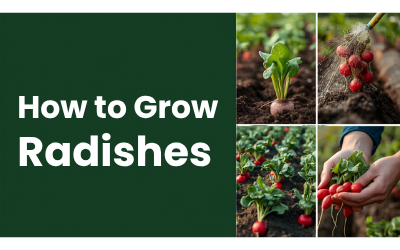
Radishes
The fastest crop on this whole calendar — many varieties are ready in under a month, which makes them the best gap-filler between slower crops.
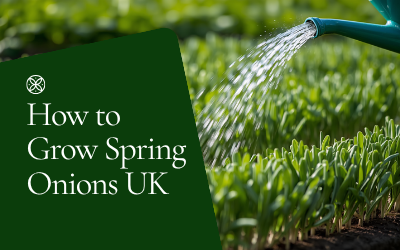
Spring Onions
Sown thickly in a drill with no thinning needed, these slot into almost any gap and tolerate repeat sowing better than most salad crops.
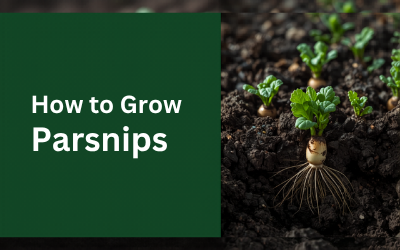
Parsnips
The slowest germinator on this list — patience and deep, stone-free soil matter more here than for almost any other root crop.
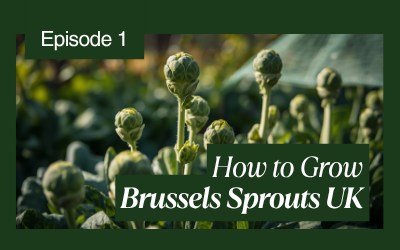
Brussels Sprouts
A long-season crop — the bed decision you make now is the one your Christmas dinner depends on, so spacing and firm soil matter from the start.
Celery
Forgiving everywhere except moisture — let it dry out once and the stems toughen for the rest of the season, so consistency beats effort here.
Asparagus
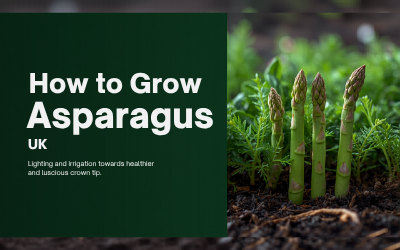
The only true perennial here — this bed will still be producing in a decade, so the site decision matters far more than with any annual crop.
Rhubarb
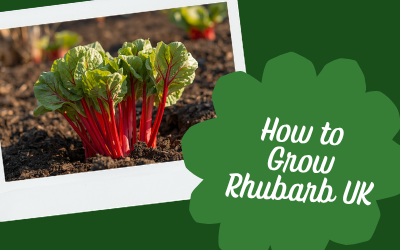
Heavy UK soil and a generous mulch suit rhubarb better than most "improve the soil first" crops — it's genuinely forgiving once the crown is settled.
Sweetcorn
Plant in a block, never a single row — sweetcorn is wind-pollinated, and a block gives every plant a real chance of being pollinated by its neighbours.
Squash
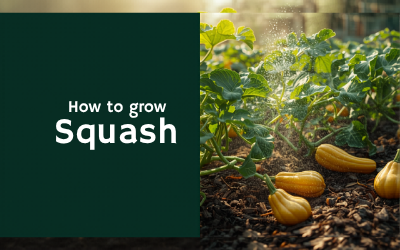
Give it real space and airflow from the start — cramped squash plants are the most common cause of the powdery mildew questions I get every August.
Free Printable UK Vegetable Planting Calendar
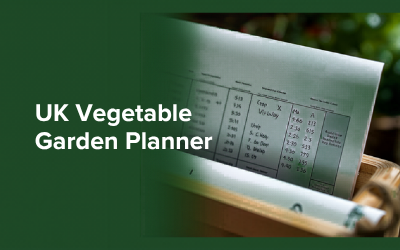
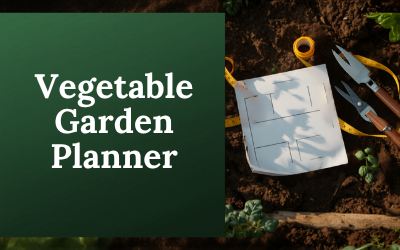
Use this page as a free printable vegetable planting calendar for quick monthly dates. For a fuller planning system, the UK Vegetable Garden Planner PDF adds printable bed layouts, crop rotation pages, seed inventory, harvest records, monthly jobs and notes for allotments, raised beds and containers.
Important: a calendar tells you the window; a planner tells you what happened in your soil. Keep your own records so next season improves.
| Job | Calendar gives you | Planner adds |
|---|---|---|
| Month-by-month sowing | Quick reference by month. | Space to record actual sowing dates. |
| Planting out | Typical safe windows. | Bed layout, hardening-off notes and transplant records. |
| Crop rotation | Links to planning guides. | Crop-family rotation worksheets. |
| Harvest notes | Expected harvest months. | Yield, date and best-performer tracking. |
Watch The UK Planting Calendar And Planner Walkthrough
This SoilCommander video explains how the UK vegetable planting calendar and layout planner fit together: use the calendar for monthly sowing windows, then use the planner to organise beds, crop rotation, harvest notes and seasonal jobs.
Use this with the written calendar above, then open the crop video library and guide pages when you choose what to sow or plant next.
Plan The Next Step From This Calendar
Popular Vegetables At A Glance
View all growing guides Carrots
 Lettuce
 Tomatoes
 Courgettes
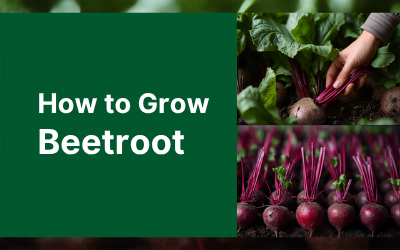
 Beetroot
Frequently Asked Questions
When should I start planting vegetables in the UK?
Hardy vegetables can often start from late winter into spring, depending on soil and frost risk. Tender crops such as tomatoes, courgettes, squash, beans and sweetcorn are usually safest outside once nights are consistently above 7°C (10°C for tomatoes and other heat-loving crops) — often from mid to late May in many gardens and later in colder or exposed areas. Check the regional table above for your specific band.
What vegetables can I plant now in the UK?
Check the current month in the calendar, then adjust for your local weather, soil temperature and frost risk. In June, useful options include quick salad crops, radishes, beetroot, spring onions, French beans, runner beans, courgettes, squash, sweetcorn and winter brassicas where conditions are suitable.
What is the difference between a sowing calendar and a planting calendar?
A sowing calendar focuses on when to start seeds. A planting calendar is broader: it includes indoor sowing, outdoor sowing, planting out and harvest timing. This page combines all four so you can plan the full growing cycle.
Can I use this as an allotment planting calendar?
Yes. Use the monthly windows to choose what to sow and plant, then record bed positions, crop families, follow-on crops, watering notes and harvest results for your allotment plan.
Can I use the same calendar for Scotland?
Yes, but shift sowing and planting later. RHS regional guidance places southern Scotland in the "early June" planting-out band and the Scottish Highlands in "mid-June" — both several weeks behind the South West's band. Exposed plots and higher ground often need extra protection and a shorter outdoor season on top of that.
Do I need a greenhouse for a UK vegetable garden?
No. A greenhouse helps with tomatoes, peppers, cucumbers and early seedlings, but many UK vegetables grow well outdoors. Windowsills, cloches, fleece and cold frames can also extend the season.
What should I do if the calendar says sow but the soil is wet?
Wait. A sowing window is not a command. If soil is waterlogged, sticky or cold, delay sowing, start seeds in modules, protect existing seedlings and return when the soil is workable.
Is there a printable vegetable planting calendar?
Yes. This page gives free UK planting-calendar guidance online and includes a browser-printable chart. If you want printable planner pages for bed layouts, crop rotation, seed tracking, weekly jobs and harvest notes, use the SoilCommander UK Vegetable Garden Planner PDF.

Stop Guessing. Start Growing.
Use the free calendar as the mother page, then move into the exact guide or planner page that solves your next job.
Get the Planner Now- Digital download
- Print at home
- Designed for UK gardens
- Use again every season
Instant Access Print at Home
Use Again & Again UK Based
Designed for UK Gardens Calendar Hub
Links To The Full Guide Library